Wednesday, December 15, 2010

Tree Orchid

Mystacidium capense *Linn.f.)Schltr  - Tree Orchid
  
Every year, shortly before Christmas the tree orchids start blooming. They are unfortunately in the valleys high in the trees so not always visible.  At reception there are a few trees that have them too.  Some have actually been successfully transplanted.
 
It is a perennial epiphytic herb, which grows in small, and sometimes rather dense clumps on trees in this area.  The leaves are dark green, tough and leathery , with the midrib depressed above and very prominent and ridge belop.  The pex of the leaf is unequally lobed.  The flowers are very strongly scented especially at night and are borne in great profusion, arranged in two rows, on stems about 10 cm long which hang down.  This is one of our daintiest and most attractive epiphytic orchids. 
 
When you arrive at Reception, ask Alida to show you the flowers.

Tuesday, December 14, 2010

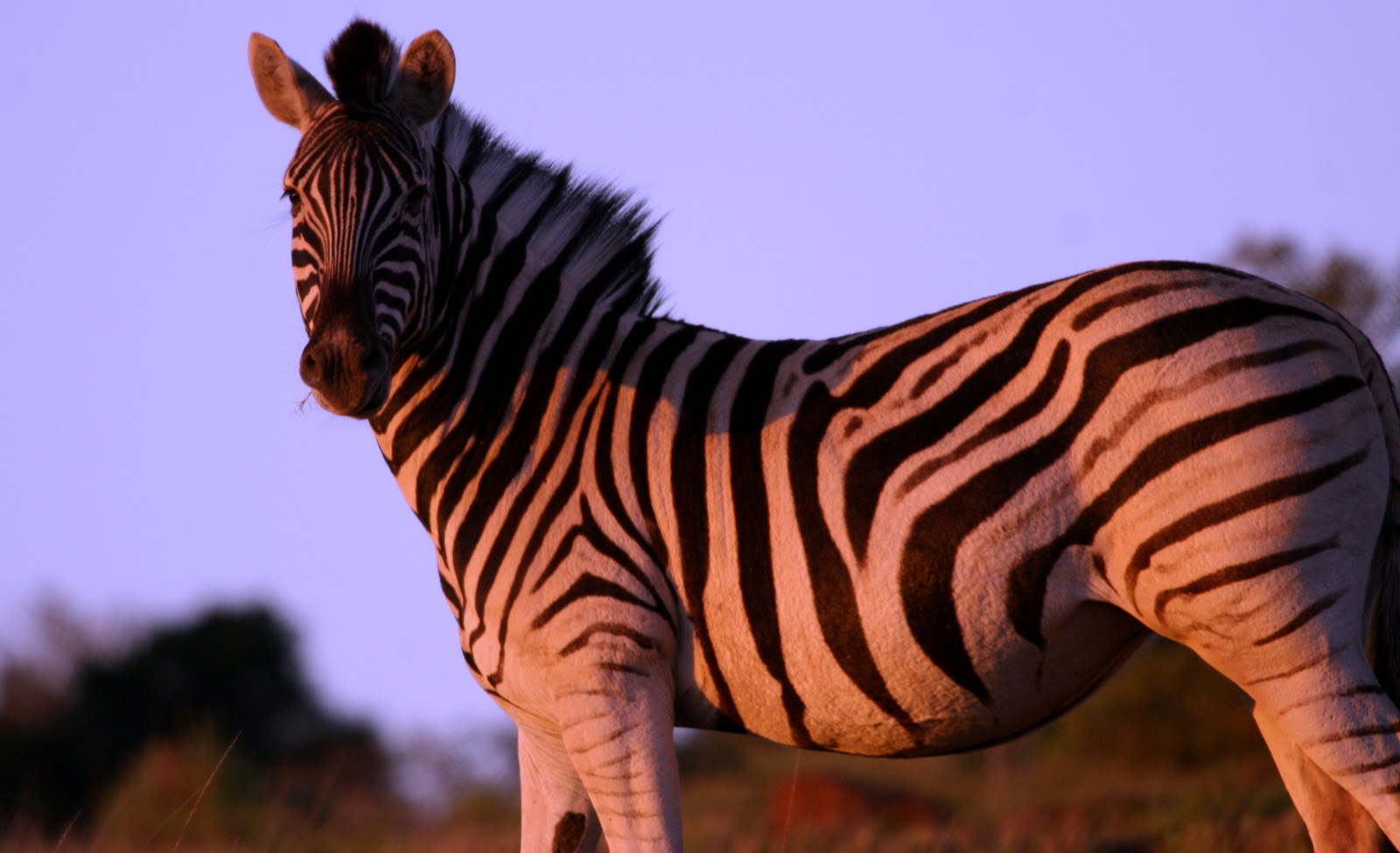
A few of Idwala's wildlife


All photos are courtesy of Philip du Toit. You can view more photos and join his facebook group - here

Monday, December 13, 2010

Recipe - Almond Crusted Chicken Breast

Almond Crusted Chicken Breast 

Serves 4 
40ml cooking oil
4x chicken breast
120g flaked almonds
20ml Dijon mustard
Salt and pepper to taste
12x Mushrooms
250ml cream
40ml white wine vinegar

Preheat the oven to 180degrees. Have a baking tray ready
Heat the oil in a heavy bottomed pan. Seal the chicken in oil (brown on each side - quickly)
Meanwhile, make the sauce. Chop mushrooms finely.Heat cream and vinegar in a saucepan. Add the mushrooms and simmer for 10mi
Place the sealed chicken fillets on the baking tray and bake in the oven for 10 minutes. Remove from the oven and top with mustard and almonds. Return to oven for about 8 min.
Spoon the sauce over the chicken breasts and serve with vegetables and coucous.

Thursday, December 9, 2010

Idwala's Protea Project

Southern Africa is home to the richest floral kingdom in the word.  The Western Cape is faous for its wide variety of flowering plants.  Known as fynbos, the plant in this region constitutes one of the six floral kingdoms, occupying only 0/04 %  of the earth's surface and is the smallest and riches floral kingdom on earth.
Freshly picked Proteas are ready to be taken to the lodge
Protea is the popular name given to members of the proceaceae, a striking and ancient family of flowering plants which is so characteristic of South Africa.  While Australia, Malaysia and South America also have protea, the largest and most colourful are in South Africa.  Protea takes its name for Proteus, a god from Greek mythology, who was able to assume many forms at will.
Alida made a beautiful wedding bouquet using a Protea
Ernst started a pilot project in 2007 and harvested the first flowers 10 months later.  He has since added more species to the project and has been picking flowers for Idwala and a few neighbours ever since.  Every flower remains a joy to him and he would literally go see them first thing in the morning.  In time, he has also been making cuttings from his plants, and growing some from seed - a delicate task requiring patience.  The seeds have to be 'smoked' before germination and although veld fires that occur naturally can be devastating, it is also a good thing, considering the germination that must follow.

A Protea on display at the lodge
An arrangement of pin cushions


Spring is when the pin cushions start flowering.  The waxy appearance has fooled several guest, thinking that it must be synthetic flowers, only to discover that there is real pollen on them!  The King Protea is the national emblem of the country.
The very special "Red Rex"

Wednesday, December 8, 2010

Wildlife Photos by Nicole Lloyd

Lion family stop for a drink of water
The eye of the elephant
Long lashes
Lion watching Rhino
Giraffe on the plain
Just another sunset
brown-hooded Kingfisher
caught in play
elephant family silhouette
Approaching Rhino


All images were taken by Nicole Lloyd at Idwala Game Lodge and remain the property of Nicole Lloyd.
If you would like information on using these images, please contact her, nicole@idwalalodge.com

Tuesday, December 7, 2010

South African recipe - Sosaties on the Coals!

 
This month’s recipe if for delicious venison cooked over the grill under the open skies – just how we like to do it here in South Africa. If you can’t get venison then use beef or lamb cube. Contact Morgan direct if you want a recipe for chicken Sosatie – morgan@idwalalodge.com.

Sosaties are a traditional South African entrĂ©e. The word is Cape Malay in origin, but is commonly used in Afrikaans. Sosaties are translated locally as “Kebabs” but are not to be confused with the more well known “Shish Kebabs”. We don’t wrap our kebabs in a pita, served with salad!

Venison (or beef) steak Sosaties:
 
800g Venison steak (kudu, impala or eland or beef)
100ml fruit chutney (in South Africa we love Mrs Balls)
50 ml soya sauce
100ml red wine(you can omit the red wine and use cola for tenderising)
few sprigs fresh rosemary and thyme
4 garlic cloves – roughly chopped
1x tablespoon coriander seeds
1x teaspoon cumin powder
2x yellow peppers (or green or red, but yellow compliments venison best)
(optional – small pickling onions, sliced thick)
15cm satay sticks
 
serves 4 people [2 skewers each]

Light the fire or start of the gas on your gas cooker – it all depends on how you like your braai (bbq).
This recipe can be cooked just as easily in a pan or under the grill. But we cannot be held responsible for the results!
Cut the meat into 2cm x 2cm cubes. Slice the pepper into even squares, also 2cm x 2cm.
Blend the chutney, soya sauce and red wine. Add the fresh herbs, the garlic and the spices. .
Add the meat and peppers to the marinade mixture and refrigerate for up to 12 hours. If you are using beef or lamb, you can shorten the time to 8 hours.
Skewer the meat onto the satay sticks alternating with a pepper slice. If you would like to add the onion, alternate the onion between the peppers and meat.
Plan on about 100g per skewer or as many cubes as it takes to fill the skewer. Prepare two skewers per person.
Cover the skewers in left over marinade. 
Braai for approximately 8mins or as per taste. Brush with leftover marinade.
Remember that venison becomes tough once cooked past medium and we recommend preparing only to medium rare. If using beef or lamb, cook until required doneness.

Venison contains no fat or cholestoral and is a healthier alternative to beef or lamb. You can also use ostrich as a leaner option.

Serve with traditional braai items such as potato salad, butternut cooked over the coals, fresh bread and good company.

Monday, December 6, 2010

Gaatjie's visit - photos by Lizelle & guest

Lizelle captures Gaatjie in action at the staff entrance
Gaatjie comes a little closer...
On return from game drive, a guest catches Gaatjie outside the lodge. He dwarfs the lodge vehicle!
Read more about Gaatjie here